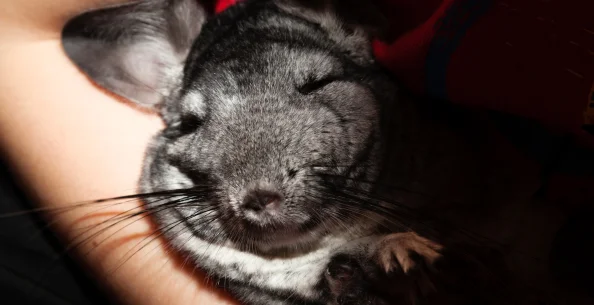
Why do chinchillas have such dense fur? It turns out that up to 80 hairs can grow from a single follicle!
Because of this unique feature, regular bathing methods are absolutely unsuitable for chinchillas. If you try to bathe a chinchilla in water, drying its wet fur will be extremely difficult: you can’t use a hair dryer, and if the fur isn't completely dry, fungus may start to develop.
That’s why chinchillas must bathe in special sand. This sand helps clean and dry their fur. The grains absorb moisture, sebum, and skin particles, making the coat fluffy and clean.
Our Choice — Papa&Mama Pet Sand
- Rounded grains that won’t damage the delicate chinchilla fur
- Antibacterial and antifungal properties help prevent skin fungus
- No perfumes, fragrances, or dyes — safe for sensitive pets and allergy-prone animals
Can I make chinchilla sand myself?
There are recipes online, but homemade sand can be risky: the wrong grain size, too much moisture, contamination… This can lead to skin irritation, allergies, and infections.
Can I just use sand from outside to bathe my chinchilla?
That’s also risky! Outdoor sand contains dust, debris, parasites, and hasn’t been treated properly. Its grain size and composition are not suitable. Keep in mind — chinchillas are extremely sensitive animals.
I’m using the same batch of sand several times — why doesn’t it clean anymore?
Over time, sand accumulates dirt and oil from the fur, losing its cleaning properties. To keep it effective, you need to sift it regularly or replace it with fresh sand. Ideally, use the same batch up to 10 times, sifting it after each bath.
Papa&Mama Pet Hygienic Sand

Chinchilla Bathing Sand with Talc

Chinchilla Bath Sand

Rodent Bathing Sand
Other news


There can be several reasons for this — some you can handle on your own, while others require the help of a veterinarian.