

How do pets choose their food?
Pets can be just as picky about their preferences as humans. And for a caring owner, choosing a diet that the pet will enjoy while also meeting all nutritional needs becomes quite the challenge.
Nuance #1
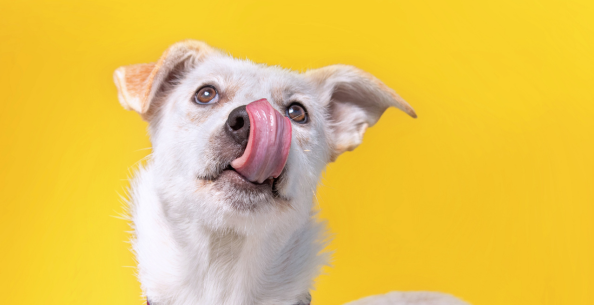
Humans have around 9,000 taste receptors, dogs about 1,700, and cats only around 470. By the way, cats cannot perceive sweet taste at all — they are the only mammals that lost this ability through evolution. Dogs, on the other hand, dislike salty flavors: their receptors work in such a way that what seems bland to us tastes extremely salty to them. Fun fact! Pets have a super-ability — they can determine the taste and freshness of water, something humans cannot do.
Nuance #2
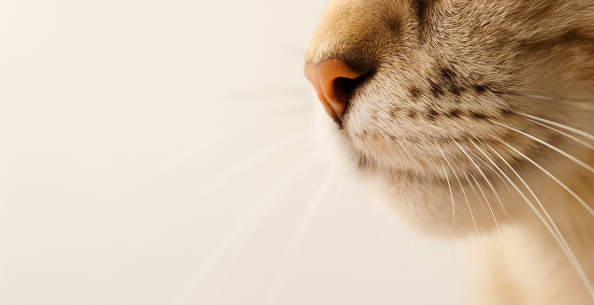
The smell of food is just as important to pets as its taste! In the wild, a strong sense of smell helps animals determine whether food is fresh, spoiled, contaminated, or poisonous. It also helps track prey and detect predators. Here lies the reason why pets may prefer cheaper food: it often contains more flavor enhancers than premium options, which means a stronger aroma and greater palatability.
Nuance #3
Both cats and dogs may refuse food if they associate it with a negative experience. Pets can form strong associations, so if they feel unwell after eating something once, they may decide that this specific food caused the issue — and refuse it forever. Humans may reason their way out of such assumptions, but pets cannot. They simply stop eating the food permanently.

So what’s the solution? Choose foods whose palatability (and aroma!) comes from a carefully developed, high-quality recipe without artificial flavorings.
Those very high-quality foods
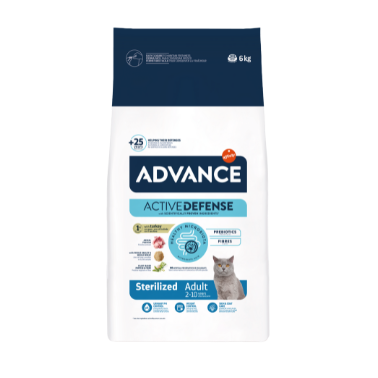
Advance food for neutered cats
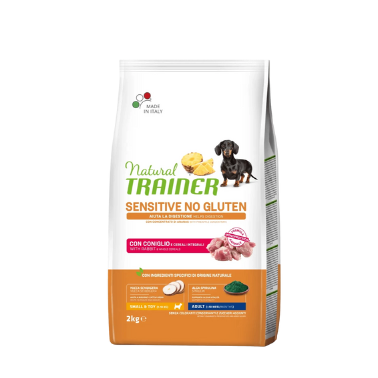
Natural Trainer No Gluten food for small-breed dogs
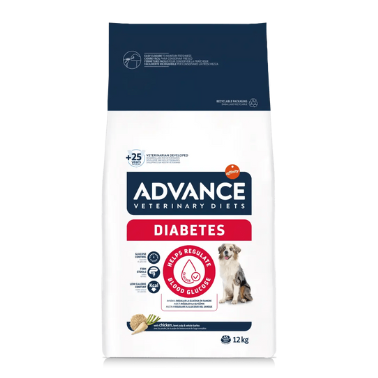
Advance VetDiets Diabetes food for dogs
Other news


There can be several reasons for this — some you can handle on your own, while others require the help of a veterinarian.
